 Walking tour
Season: Year-round
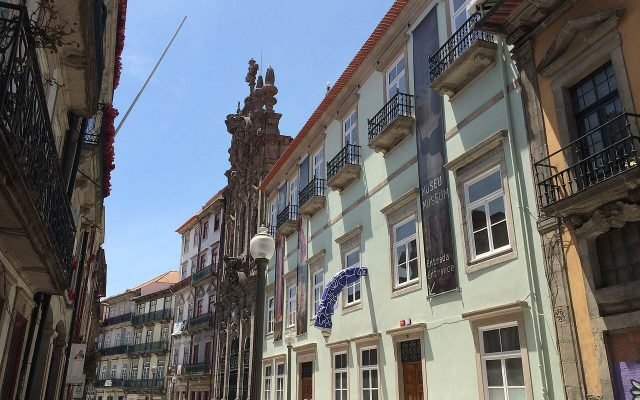
Porto old town walking tour
- Ribeira, the cathedral and São Bento station
- Local guides with history and food tips
Travel guide
When to go, what to eat, how to handle the hills and what to know before you visit Portugal’s second city.
| Where | Northern Portugal, on the Douro River near the Atlantic |
|---|---|
| Language | Portuguese. English is widely spoken in tourist areas. |
| Currency | Euro |
| Time zone | Western European Time, the same as the UK |
| Plugs | Type F, 230 volts |
| Emergency number | 112 |
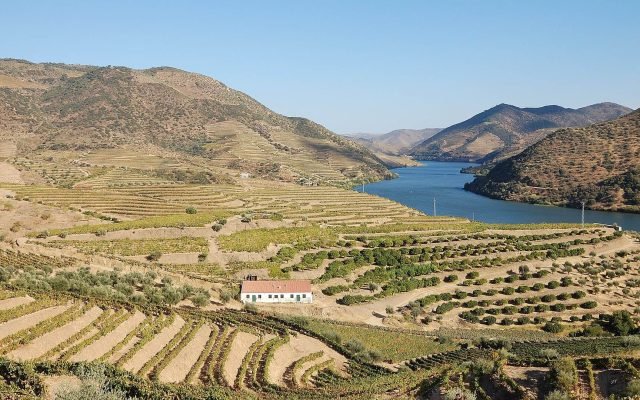
| UNESCO sites | The Historic Centre of Porto (1996) and the Alto Douro Wine Region (2001) |
The best time to visit Porto is from May to June and from September to October, when days are warm, the light is beautiful and the city is less crowded than in midsummer.
| Months | What to expect |
|---|---|
| March to May | Mild days, some rain and green hills. A good time for walking and the Douro Valley. |
| June to August | Warm and busy, with sea breezes. The Festa de São João fills the streets on the night of 23 June. |
| September to October | Warm days and the grape harvest in the Douro Valley. One of the best times to visit. |
| November to February | Mild but rainy, with the fewest visitors and the lowest hotel prices. Christmas lights in December. |
Porto has a mild Atlantic climate. Summers are warm rather than hot, cooled by breezes from the ocean, while winters are mild but wet. The Douro Valley inland is much hotter in summer.
Porto is a wonderful city for eating. Try the francesinha, a hearty sandwich covered in melted cheese and sauce, and tripas à moda do Porto, the tripe stew that gave locals their nickname, tripeiros. Bacalhau (salt cod), bifanas (pork sandwiches), caldo verde soup and pastéis de nata are everywhere. Drink port, of course, but also vinho verde, the light, fresh wine of northern Portugal. Read what to eat in Porto.
Cards are widely accepted, and cash machines are easy to find. In restaurants, bread, olives and other starters brought to the table, known as couvert, are charged if you eat them; you can send them back if you do not want them. A good-value lunch is the prato do dia, the dish of the day.
The Festa de São João, on the night of 23 June, is Porto’s biggest party: the whole city comes out to eat grilled sardines, play with plastic hammers and watch fireworks over the river. Book accommodation well ahead if you plan to visit then.
Porto is a safe city by European standards. Watch out for pickpockets in crowded places and on public transport, take care on steep, wet stairways, and be careful near the edge of the river quays.
Porto’s hills and cobbles can be challenging for visitors with limited mobility. The metro is the most accessible way to get around, and the Guindais funicular and Gaia cable car help with the steepest climbs. Some sights, such as Clérigos Tower, have no lift.
Book ahead
Walking tour
Season: Year-round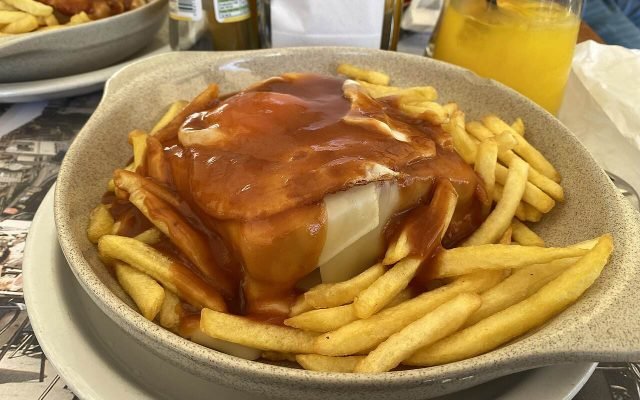 Food tour
Season: Year-round
 Day trip
Season: Year-round
Good to know
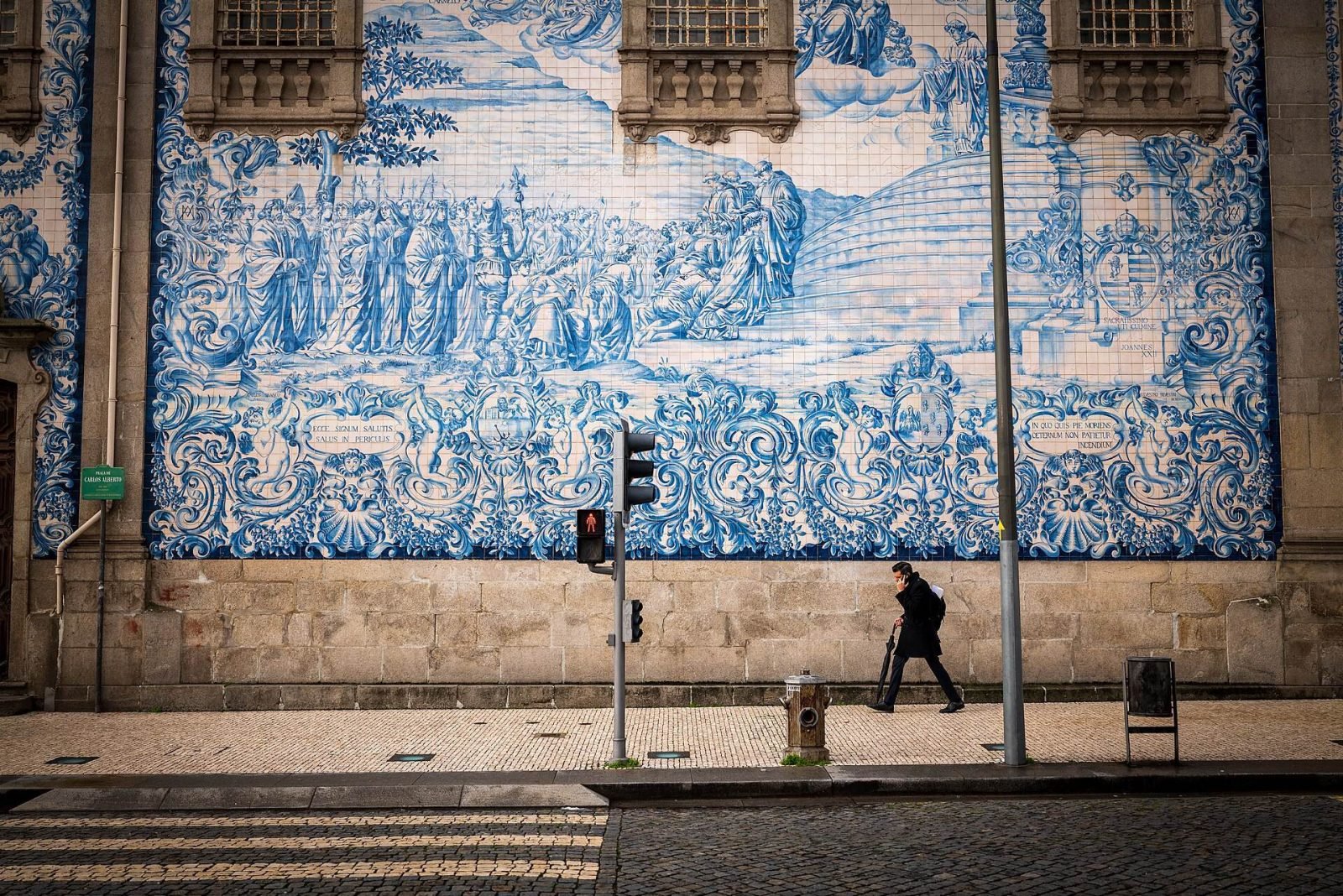
Port wine, the azulejo tiles that cover its churches and houses, its riverside old town and bridges, the francesinha sandwich and the Festa de São João, its midsummer street festival.
Compared with many Western European cities, Porto is good value, especially for food, wine and public transport. Hotels are pricier in summer and during big events.
English is widely spoken in hotels, restaurants and shops in the tourist areas. Learning a few words of Portuguese, such as obrigado or obrigada for thank you, is always appreciated.
Tipping is not obligatory. Many people round up or leave around 5 to 10 percent in restaurants for good service.