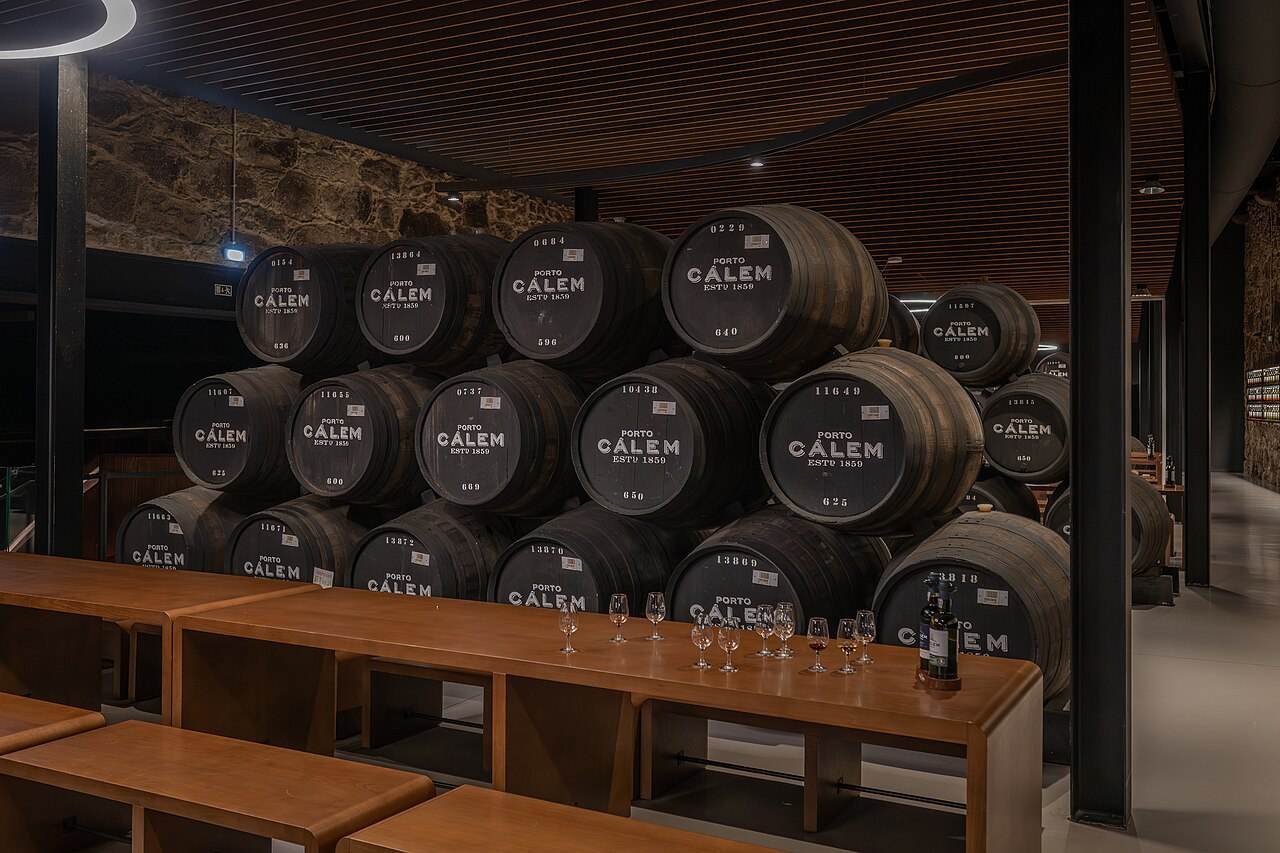
 Cellar tour
Season: Year-round
Port wine cellar tour in Gaia
- See port ageing in oak casks and vats
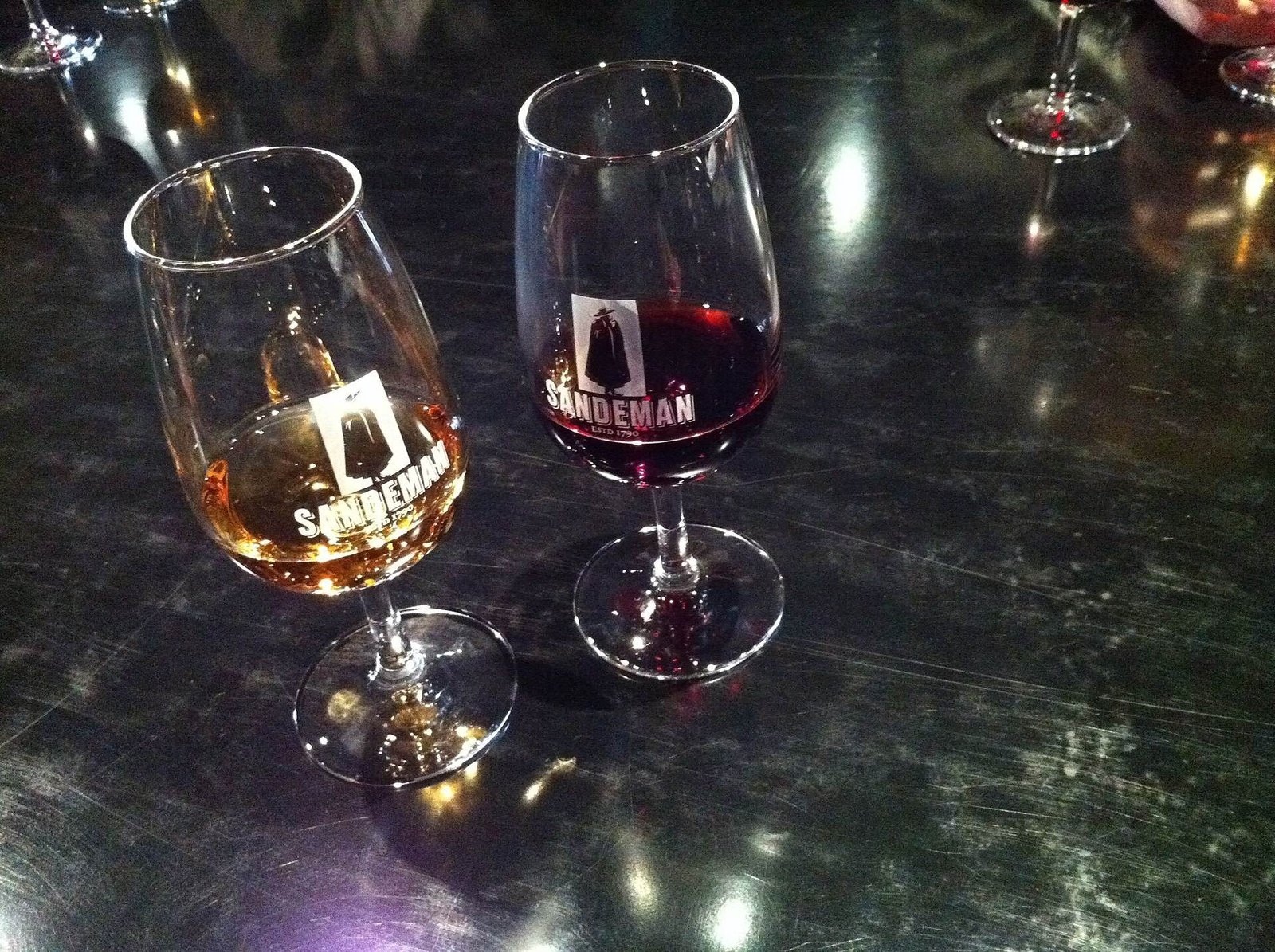
- A tasting of two or three ports
Food & drink
Port is a fortified wine: grape spirit is added during fermentation, which stops it, leaving natural sweetness and raising the alcohol. The grapes are grown in the Douro Valley, and much of the wine has traditionally been aged in the lodges of Vila Nova de Gaia, across the river from Porto.
Made from white grapes, from dry to sweet. In Porto it is often served long, with tonic, ice and a slice of orange, as an aperitif.
Young, deep red and fruity, aged for a short time in large vats to keep its fresh berry flavours.
Aged for longer in smaller wooden casks, where it slowly turns amber and takes on nutty, caramel notes. Aged tawnies carry an indication of age, such as 10 or 20 years.
A wine from a single year, aged in wood for several years before bottling. Richer than a ruby, and good value.
Made only in exceptional years, bottled young and aged in the bottle for decades. The most prized, and usually the most expensive, style.
The best place to start is a cellar tour in Vila Nova de Gaia, where many port houses show you their cellars and finish with a tasting. Wine bars in Porto offer tasting flights, and a day in the Douro Valley shows you where the grapes are grown.
Book ahead
Cellar tour
Season: Year-round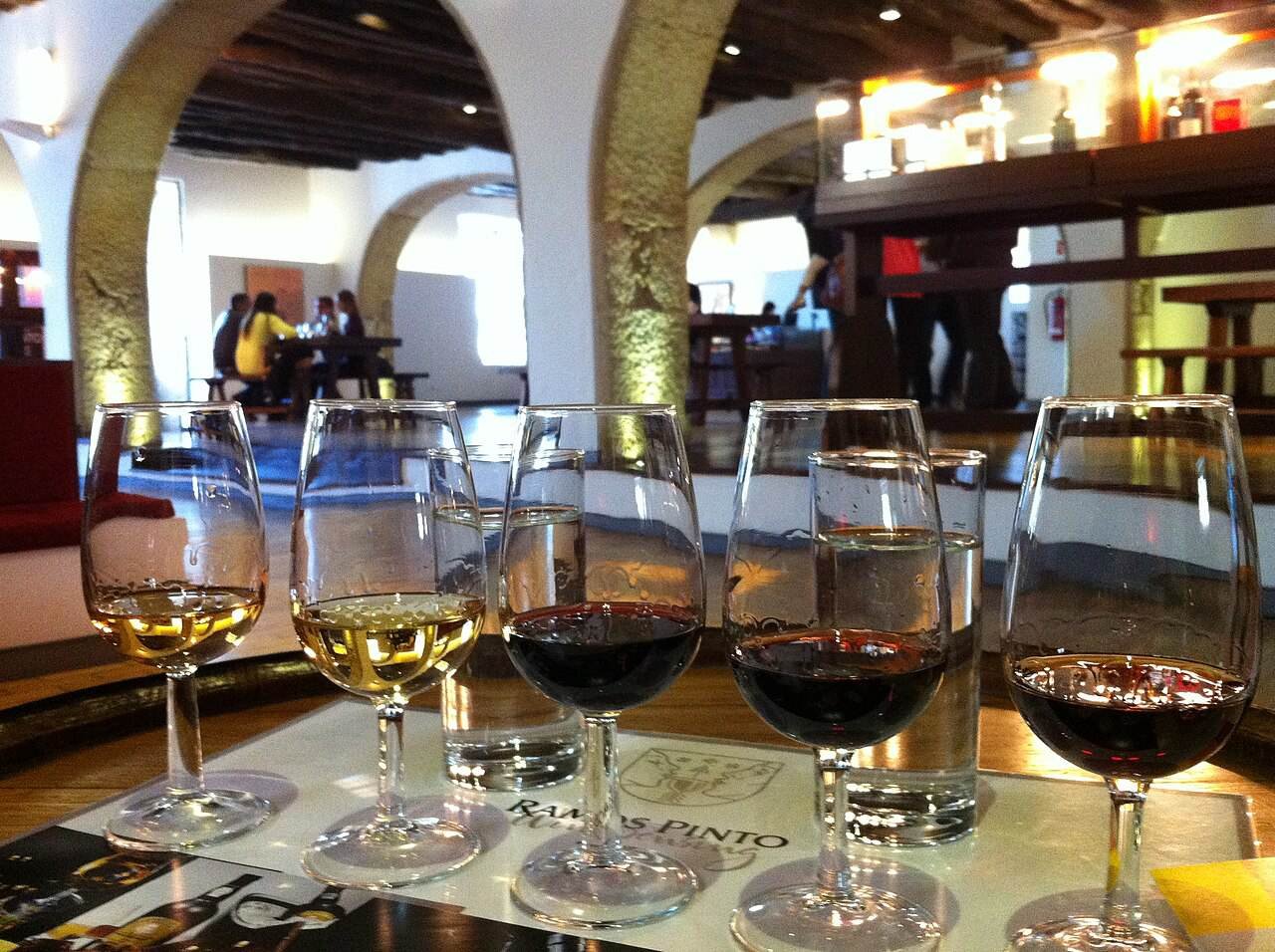 Tasting
Season: Year-round
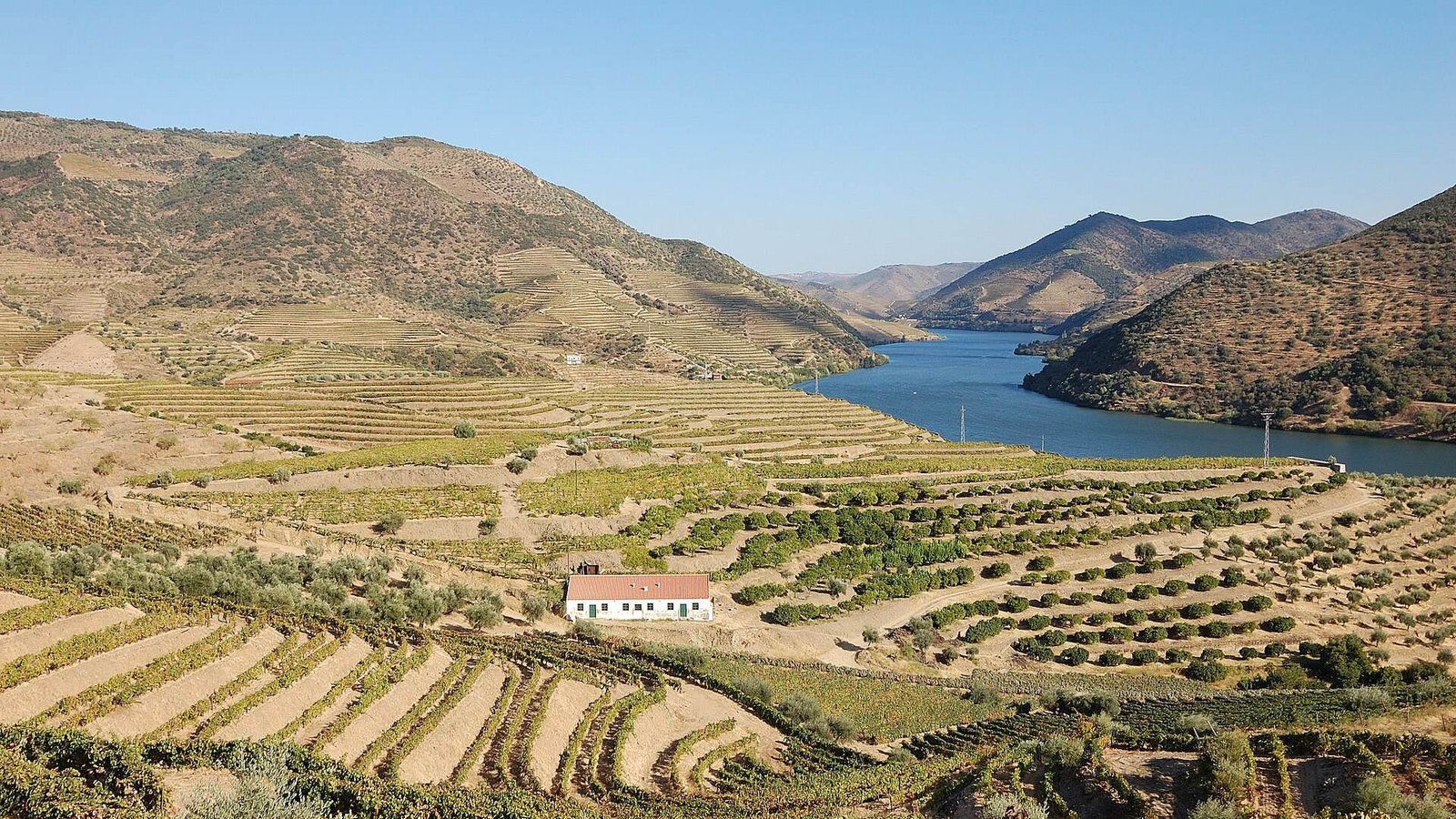 Day trip
Season: Year-round
Keep reading
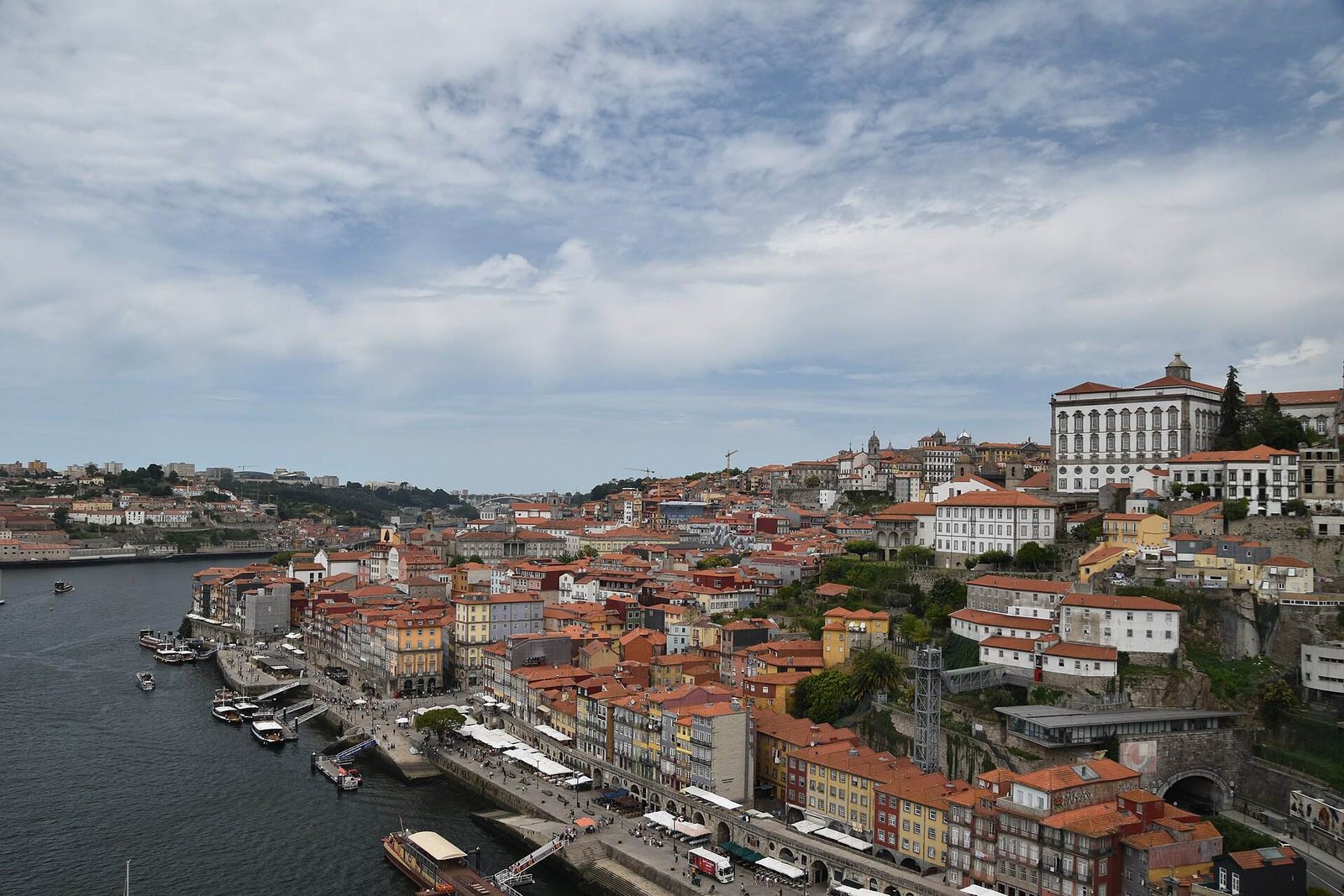 Planning
How to see the best of Porto in two days: the old town, the bridges, a port cellar, a river cruise and sunset by the Atlantic.
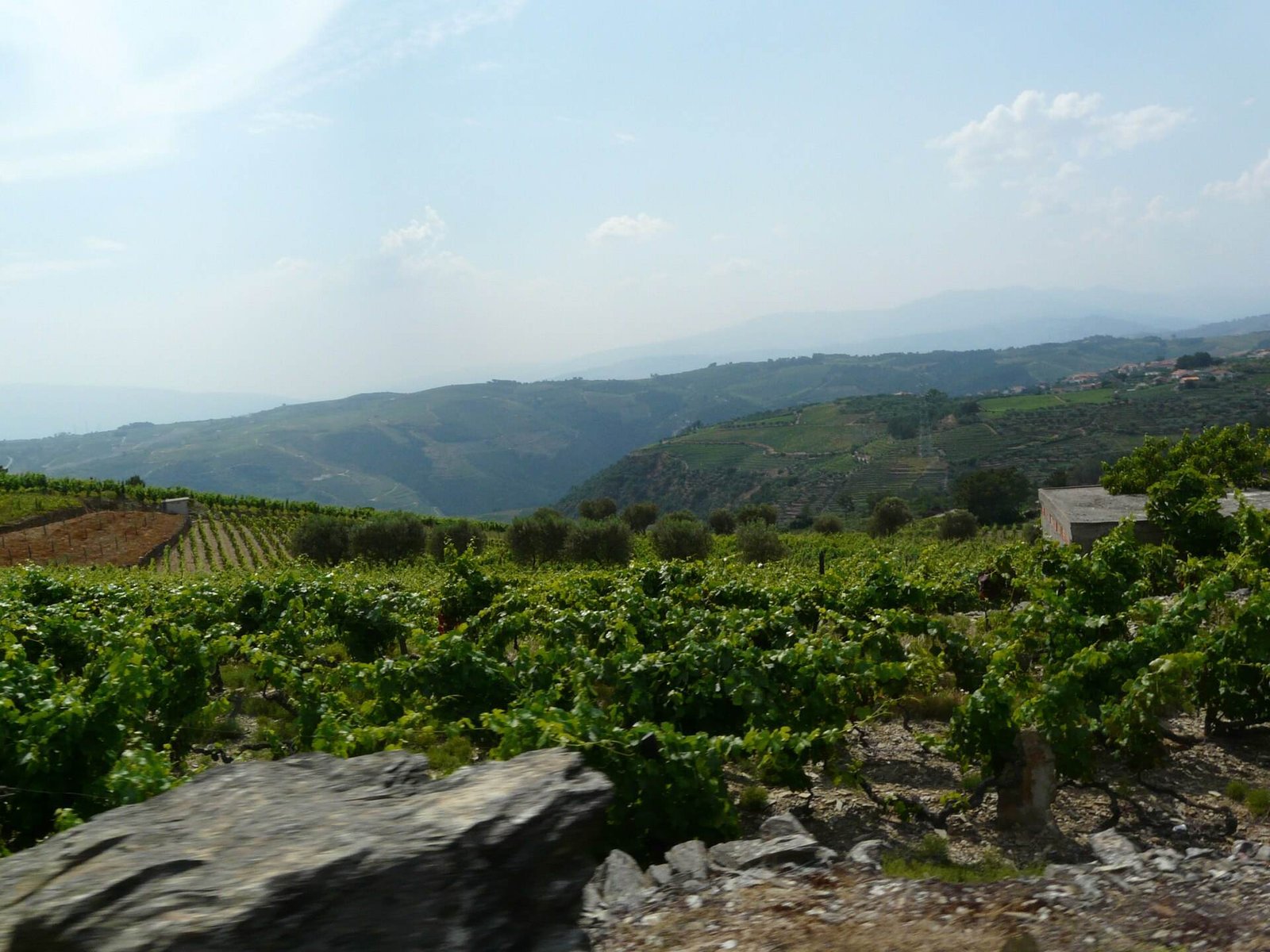 Day trips
The Douro Valley is Porto’s best day trip. Compare a guided wine tour, the scenic train and a river cruise, and find out when to go.
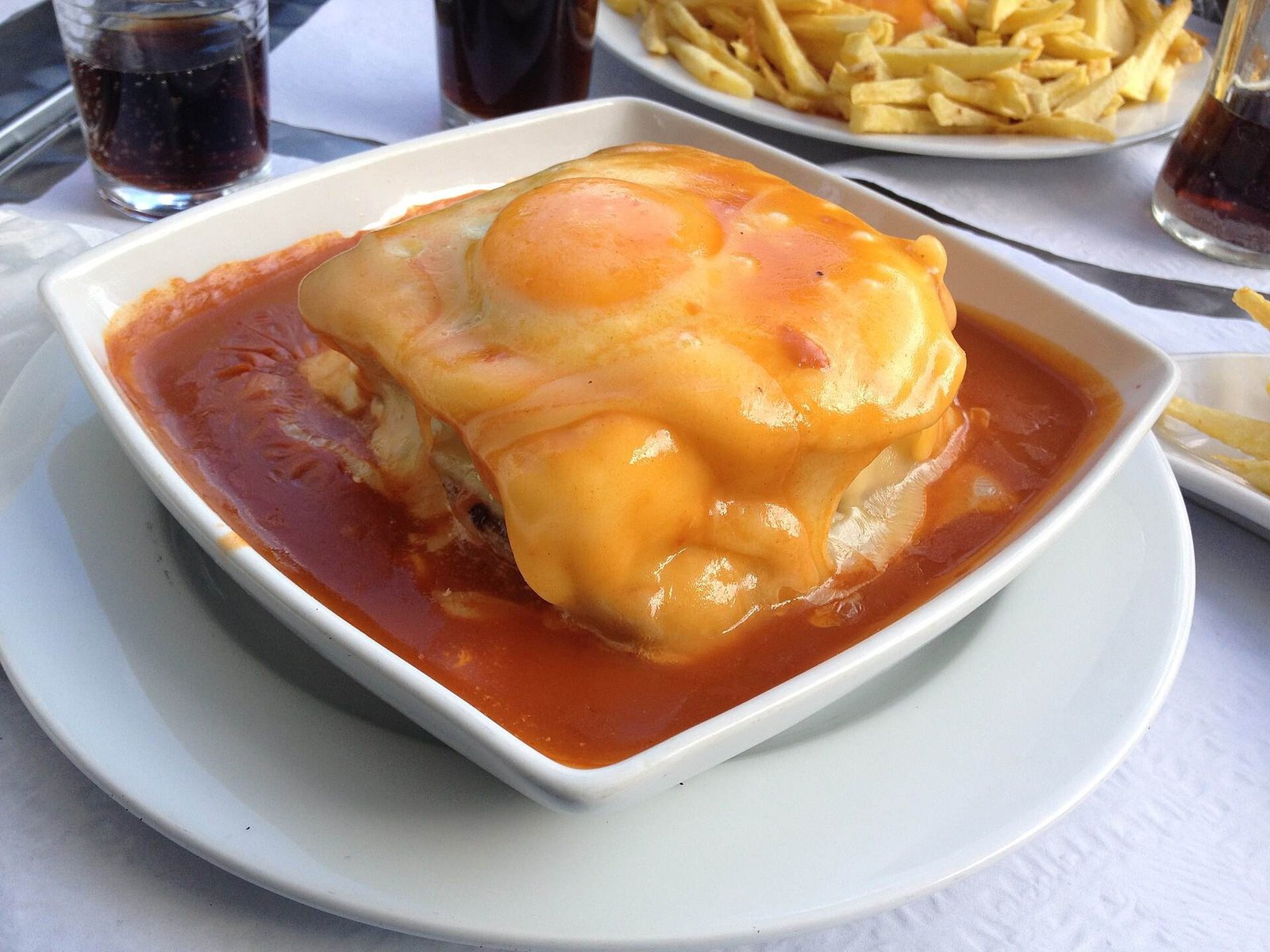 Food & drink
From the francesinha to tripas, bifanas and port, the dishes and drinks you should not leave Porto without trying.