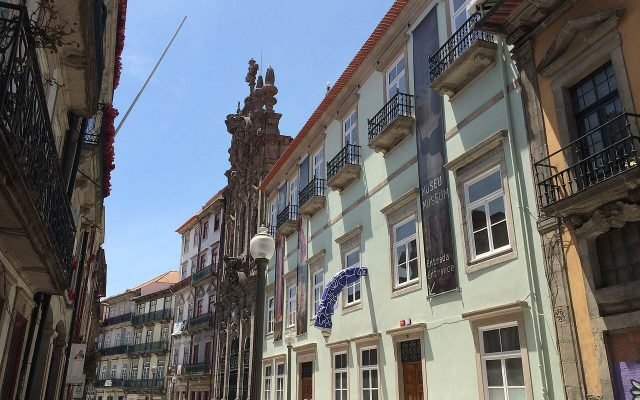
 Walking tour
Season: Year-round
Porto old town walking tour
- Ribeira, the cathedral and São Bento station
- Local guides with history and food tips
Station
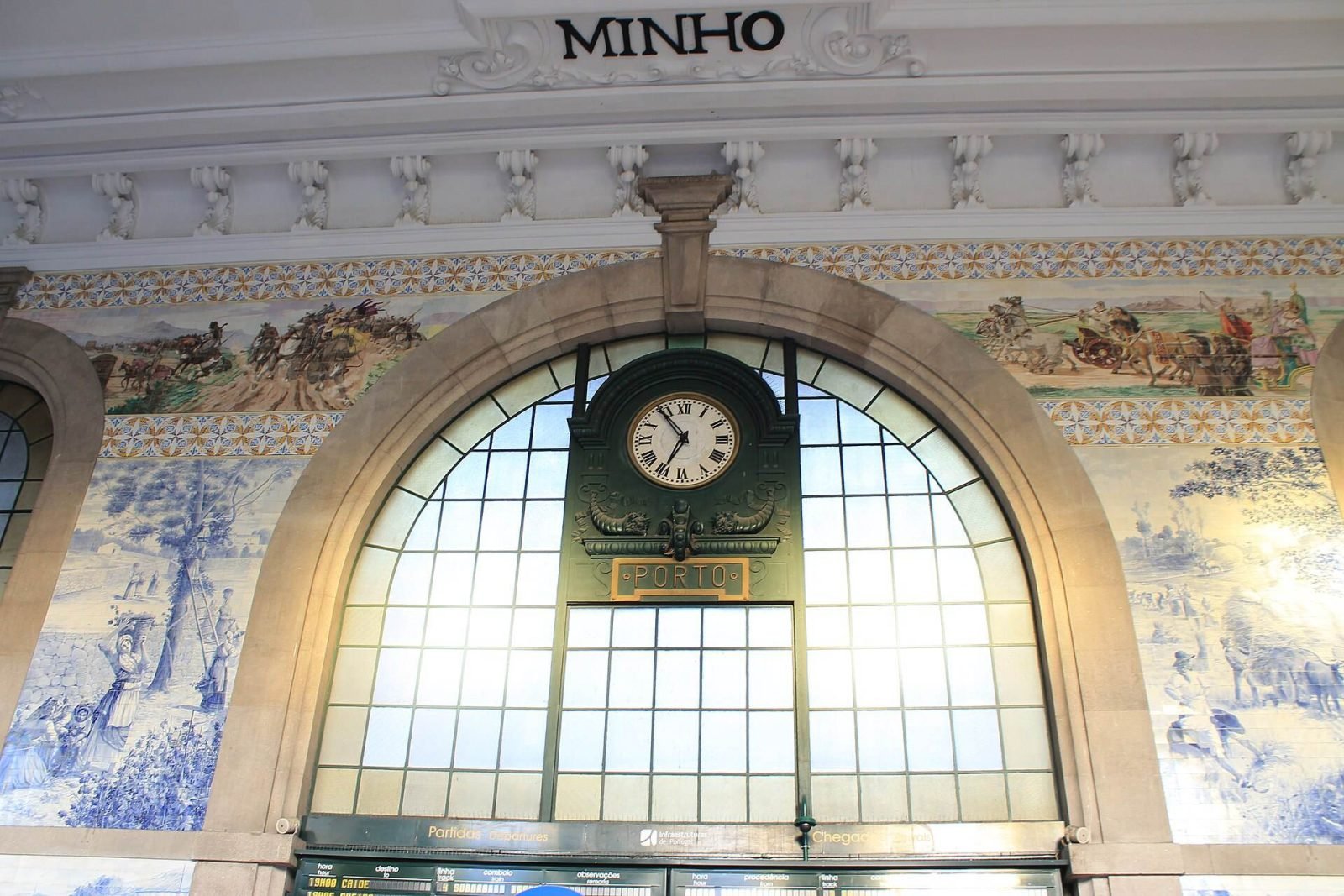
Even if you are not catching a train, step inside São Bento. Its entrance hall is lined with some of the finest azulejo tile panels in Portugal.
The station opened in 1916 on the site of a former convent. Its entrance hall is covered in around 20,000 blue-and-white azulejo tiles by the painter Jorge Colaço. The large panels show historic battles and royal events, framed by scenes of everyday life in the countryside.
São Bento is a busy station for urban and regional trains. From here you can travel along the Douro line towards Peso da Régua and Pinhão, or north to Braga and Guimarães. The São Bento metro stop on line D is right outside.
Book ahead
Walking tour
Season: Year-round Day trip
Season: Year-round
 Day trip
Season: Year-round
Nearby
 Viewpoint
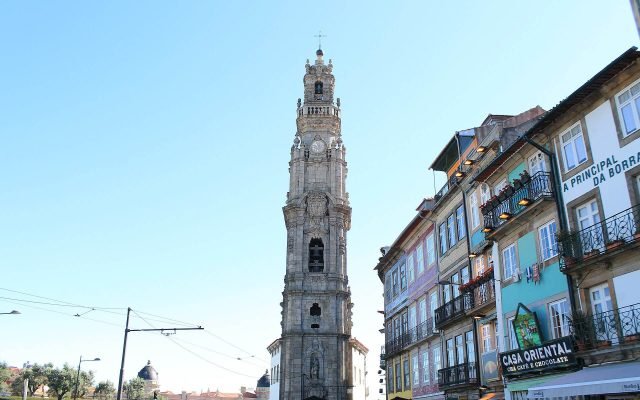
Porto’s baroque landmark
Climb the 18th-century bell tower designed by Nicolau Nasoni for a 360-degree view over the rooftops, the river and Gaia.
 Bookshop
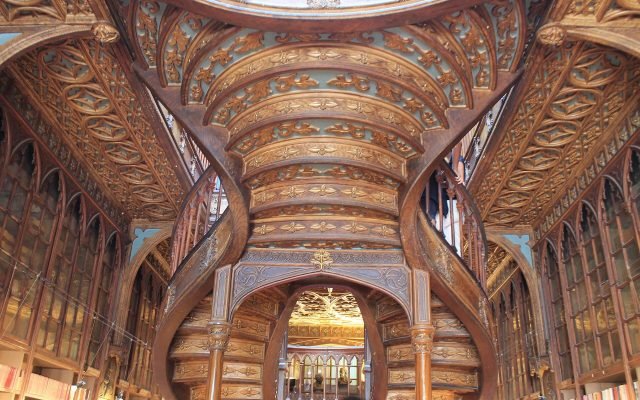
The famous neo-Gothic bookshop
A carved wooden interior, stained-glass skylight and forked red staircase have made this bookshop, opened in 1906, one of the most visited in the world.
 Church
The Sé on its hilltop
A fortress-like cathedral with Romanesque origins, a tiled Gothic cloister and wide views over the old town from the terrace in front.